
GPR Scanning
A non-destructive detection and imaging method which can identify elements either underground or within materials such as concrete.
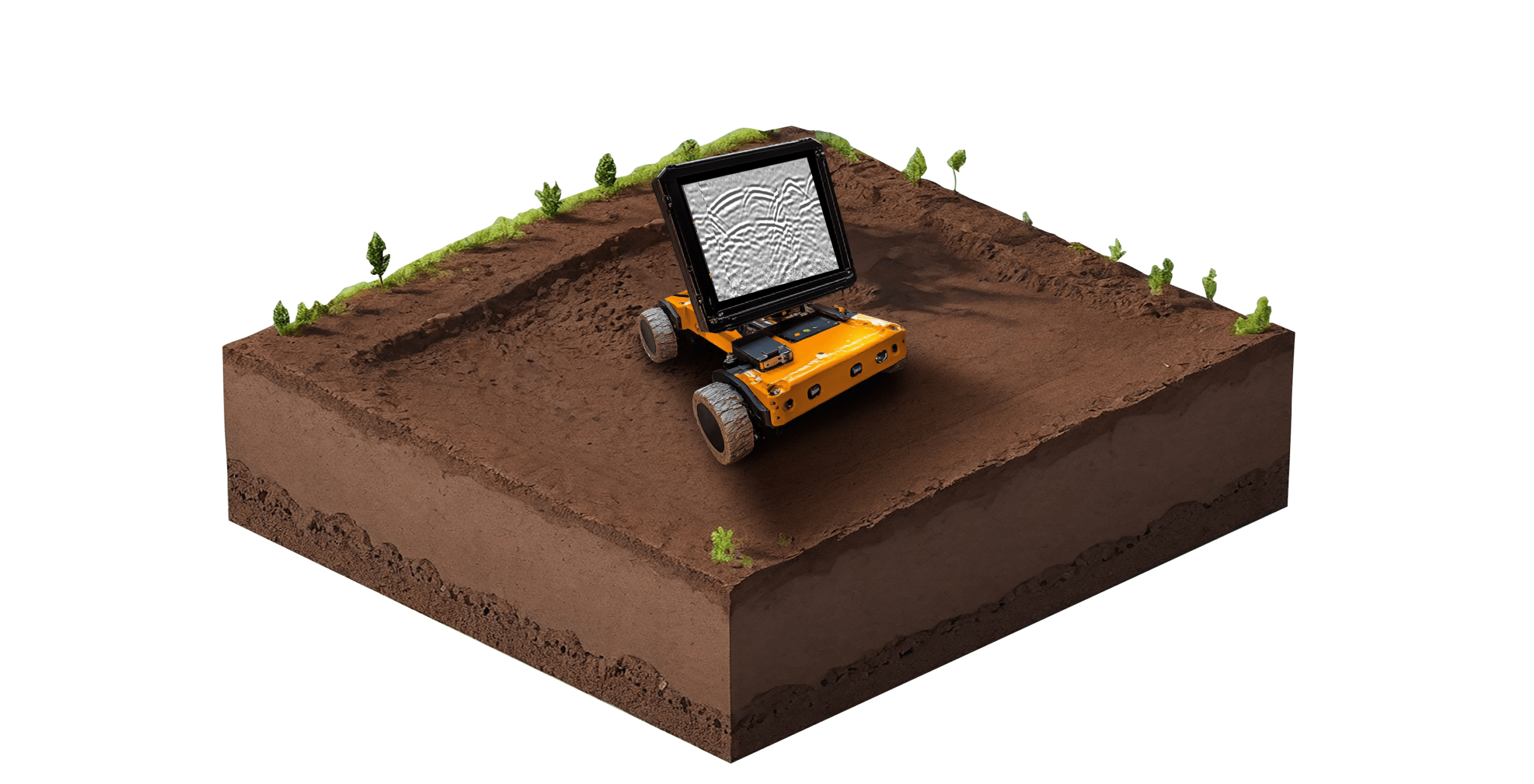
GPR Scanning
How does it work?
Ground penetrating radar sends a signal from a transmitter into a surface. The signal is bounced off any materials it encounters within the surface, and creates a reading. This reading can be interpreted by experienced GPR technicians to determine what type of material has been located.
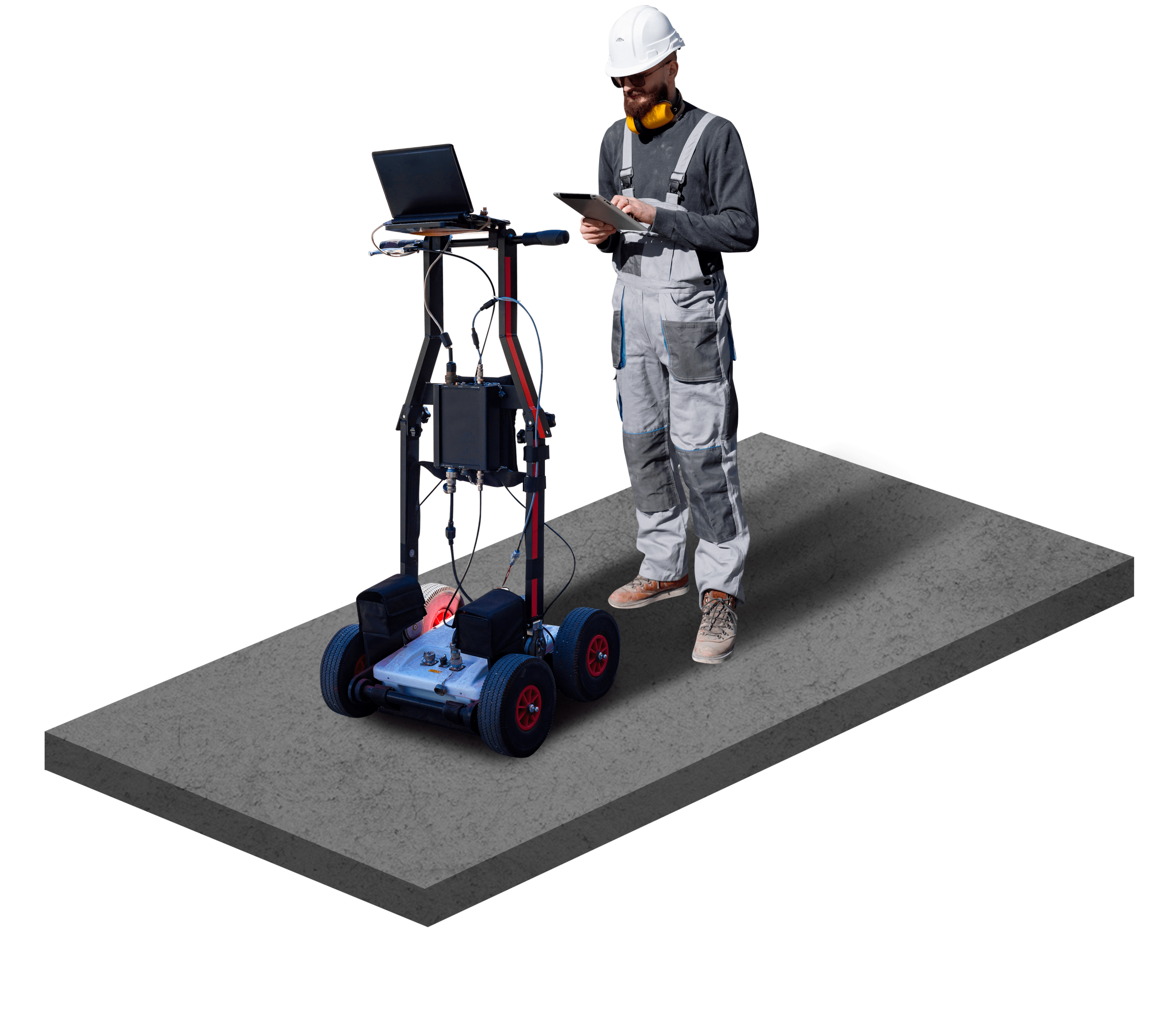
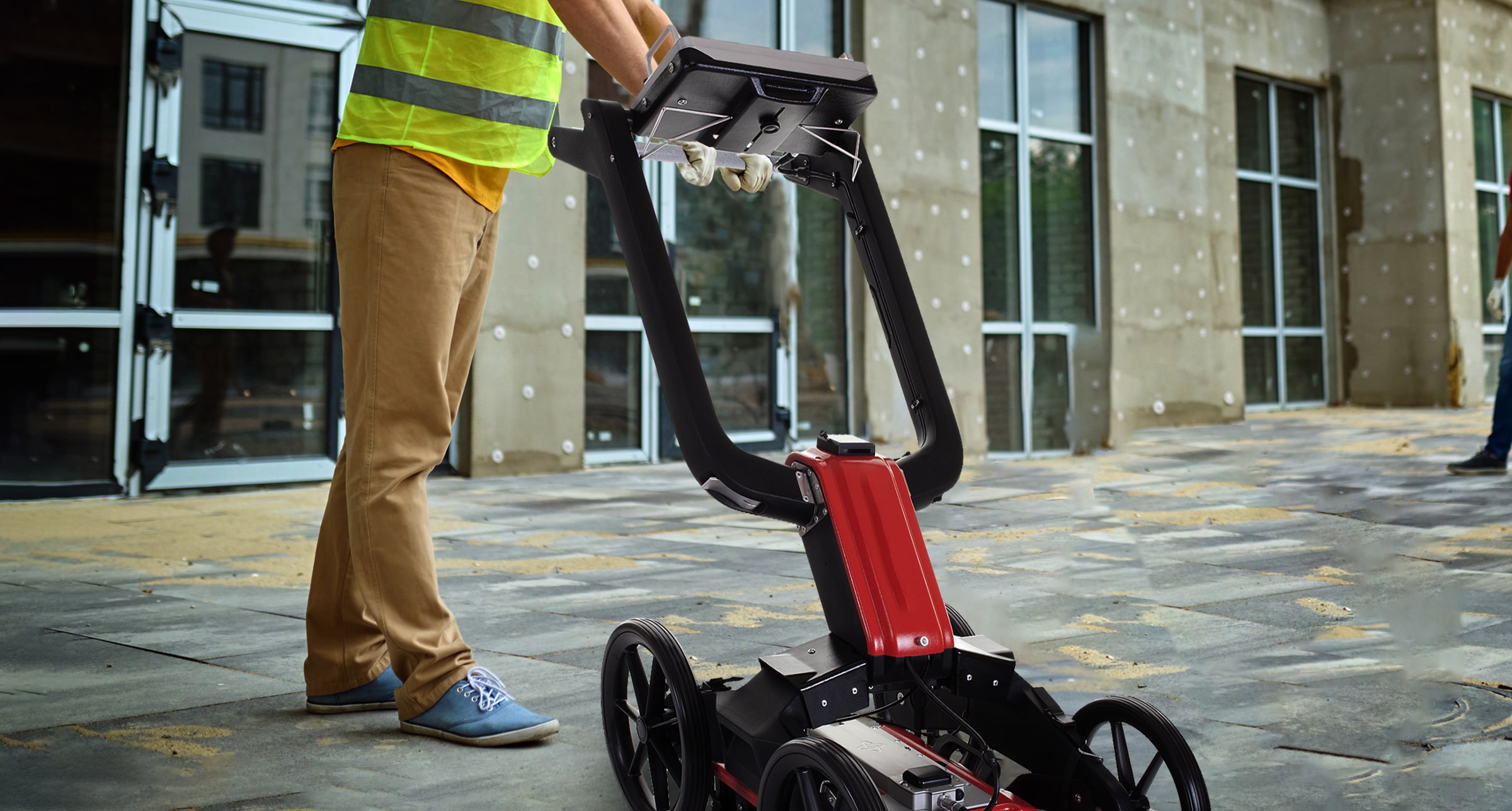
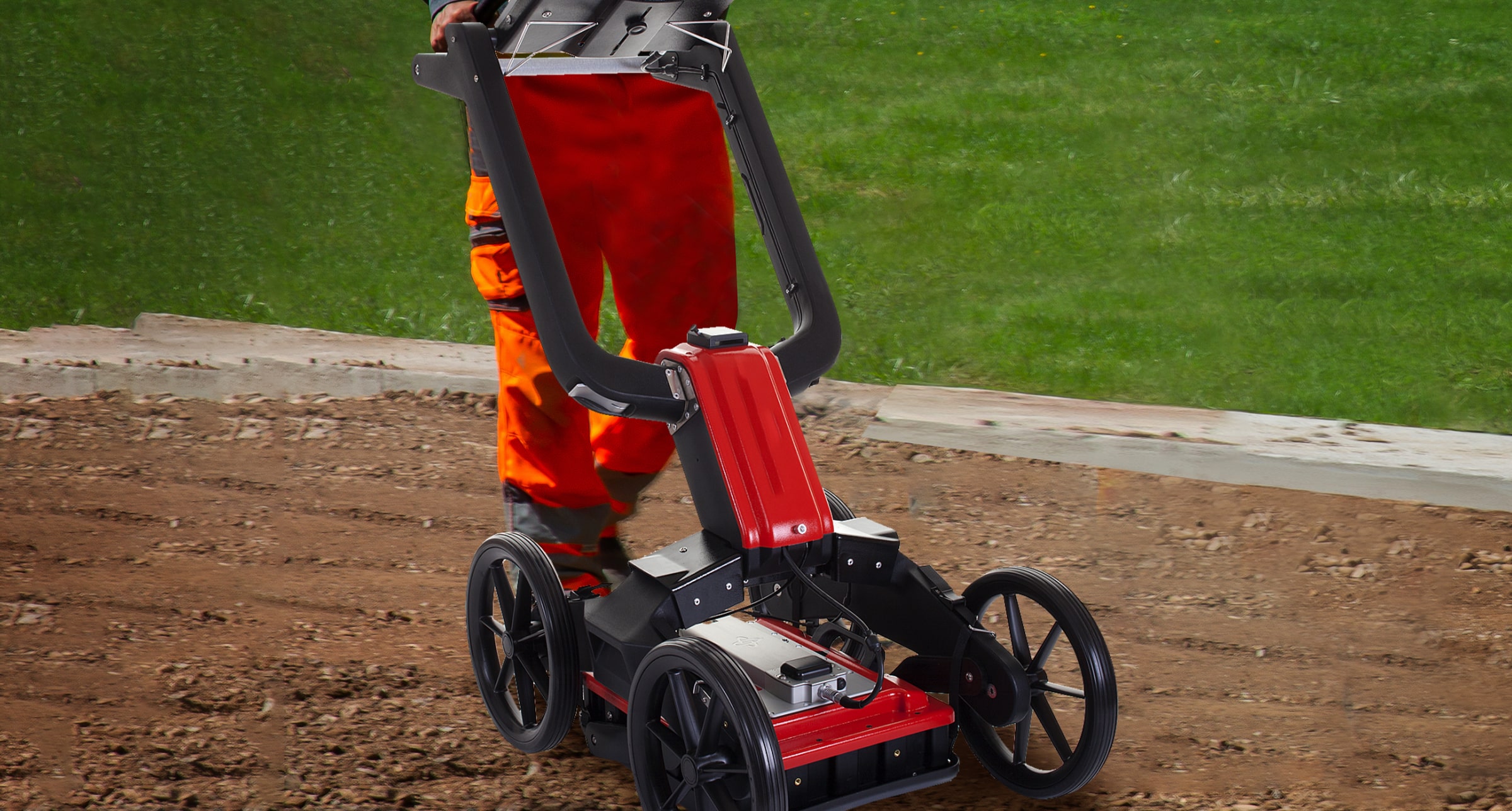
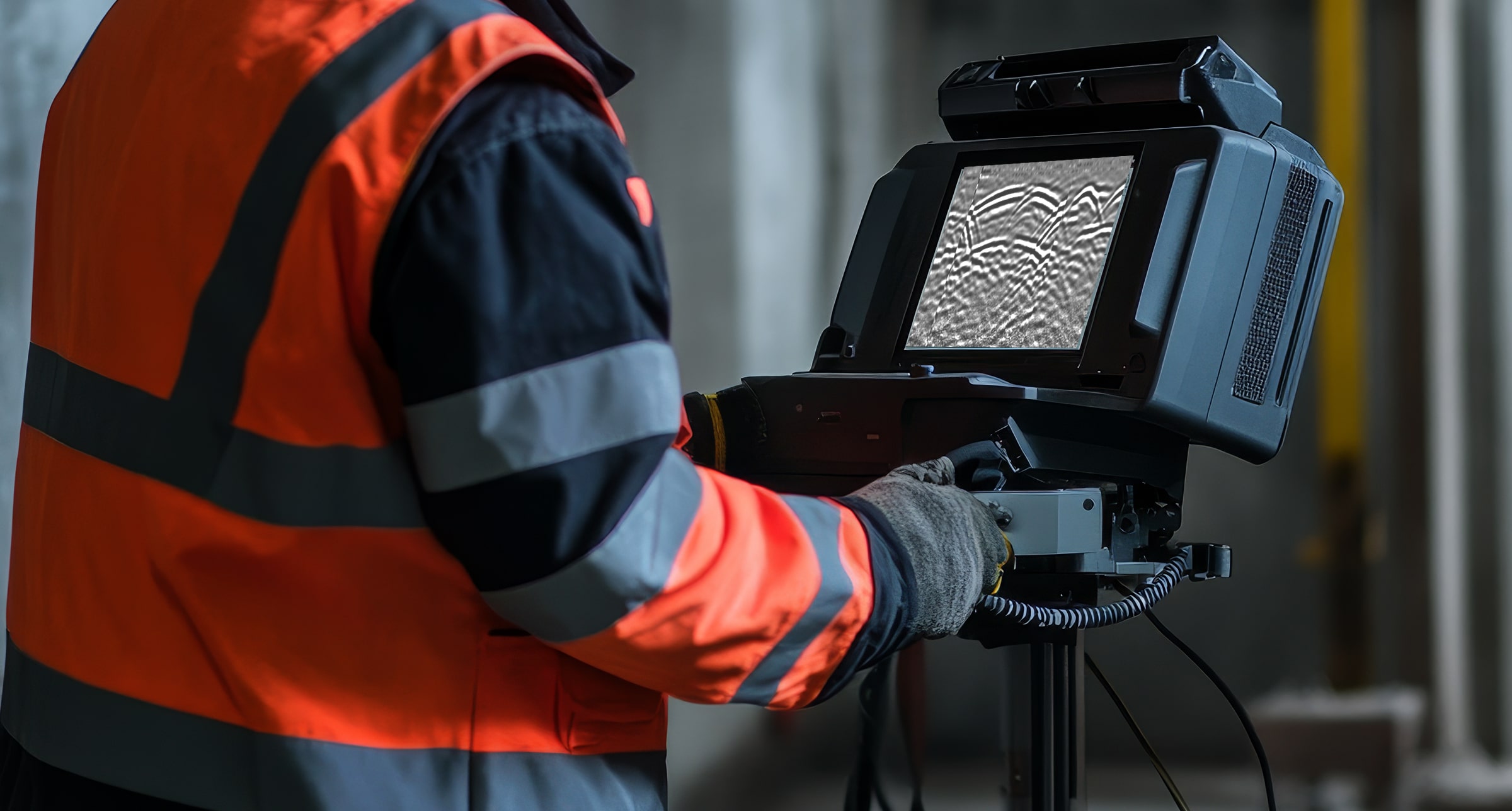

GPR can detect any kind of objects underground - metal or not - as well as irregularities. This provides the basis for a cohesive map of the subsurface or the inside of above-ground material. This information can be reviewed immediately or saved for a future project.
GPR
The Benefit of GPR Scanning
With Ground Penetrating Radar, there are many advantages you can profit from. Because it’s minimally invasive, it saves both time and money compared to other methods. Since there is no digging needed, it leaves lawns and other structures undisturbed. Not only is this a great relief for the owners of said objects, it also means GPR is a very safe locating method and can be applied to almost any building site.
Frequently Asked Questions
What is GPR scanning in the context of construction projects?
Ground Penetrating Radar (GPR) scanning is a non-destructive testing method used to detect subsurface objects and features. It involves the use of radar signals to map and locate underground utilities, reinforcements, voids, and other subsurface elements.
How can GPR scanning benefit construction projects?
GPR scanning offers several benefits to construction projects. It helps identify the location and depth of underground utilities, allowing for safe excavation and avoiding costly damages. GPR scanning also assists in detecting structural reinforcements and potential hazards, ensuring the structural integrity of the project. By providing accurate subsurface information, GPR scanning helps in project planning, design optimization, and risk mitigation.
Does ScanBuilds provide GPR scanning services?
Yes, ScanBuilds offers professional GPR scanning services. Our experienced team utilizes advanced GPR technology and equipment to conduct thorough scans of construction sites. We are proficient in interpreting the data obtained from GPR scans, providing accurate and detailed reports to aid in decision-making and project execution.
Are there any limitations or considerations for GPR scanning in construction projects?
While GPR scanning is a valuable tool, it does have certain limitations. Factors such as soil conditions, depth limitations, and the presence of certain materials can impact the effectiveness of GPR scans. Additionally, GPR scanning cannot penetrate metal or highly conductive objects, making it necessary to employ alternative methods in such cases. At scanbuilds aecc, we assess the site conditions and advise on the suitability and limitations of GPR scanning for your specific project requirements.
How can I access and utilize the results of the GPR scanning conducted for my construction project?
The results of the GPR scanning conducted for your project can be made accessible to you through our customer portal. You will have the ability to view and download the detailed reports and data obtained from the GPR scans. This information can be used for site planning, coordination with utility providers, and ensuring the safety of excavation and construction activities. The availability of GPR scanning results through our customer portal facilitates efficient project management and collaboration.